Heat Pump Installation in Citrus Heights, CA
A heat pump can replace separate heating and cooling equipment with one system, but the equipment must be properly selected and matched to the home. Capacity, airflow, duct condition, electrical requirements, and installation quality all affect how comfortably and efficiently the system performs.
Sierra Valley Mechanical installs heat pumps for homeowners who are replacing aging equipment, converting from another heating system, or planning a more efficient approach to year-round comfort. Our team focuses on practical system design and clear recommendations without pressuring homeowners into equipment they do not need.
Homeowners who need broader information about cooling, heating, repair, and maintenance options can review our heating and air conditioning services in Citrus Heights.
Is a Heat Pump a Good Fit for Your Home?
A heat pump transfers heat rather than creating it through combustion. During the summer, it moves heat out of the home much like a central air conditioner. In cooler weather, the process reverses and brings usable heat indoors.
This combination can make a heat pump a practical option for Citrus Heights homes that need both heating and cooling. The right choice depends on the home's layout, existing ductwork, electrical capacity, insulation, comfort concerns, and the condition of the equipment being replaced.
A heat pump may be worth considering when:
- Your air conditioner and furnace are both approaching replacement age.
- You want heating and cooling from one electric system.
- Your current equipment struggles to maintain consistent temperatures.
- You are remodeling, adding living space, or changing the home's HVAC layout.
- You want to compare conventional and variable-capacity equipment.
- You are replacing an older system with frequent or increasingly expensive repairs.
Not every home needs the same type of heat pump. Some properties work well with a central ducted system, while additions, converted garages, offices, and rooms without usable ductwork may be better candidates for ductless equipment.
Should You Repair the Existing System or Install a New One?
A system problem does not automatically mean replacement is necessary. Weak airflow, thermostat problems, electrical failures, dirty coils, failed capacitors, and other serviceable issues can sometimes produce symptoms that make the entire system appear worn out.
Before recommending installation, the existing equipment should be evaluated for its condition, repair history, efficiency, safety, and expected remaining service life. The decision should also account for whether the current system is properly sized and whether unresolved duct or airflow problems would continue after a basic equipment replacement.
If the equipment is still a reasonable candidate for repair, professional heat pump repair in Citrus Heights may be the more practical first step. Replacement becomes more appropriate when major components are failing, repairs are becoming repetitive, the system no longer meets the home's needs, or correcting the entire installation provides better long-term value.
Why Proper Heat Pump Sizing Matters
Heat pumps should be sized according to the home's actual heating and cooling requirements rather than the capacity of the old equipment alone. Existing systems may have been oversized, undersized, or selected before additions, insulation improvements, window changes, or other renovations altered the home's load.
Load-based sizing considers factors such as:
- Home size and layout
- Insulation levels
- Window area and sun exposure
- Air leakage
- Ceiling height
- Duct location and condition
- Occupancy and room use
- Summer and winter design conditions
An oversized heat pump may satisfy the thermostat quickly but cycle too often, creating uneven temperatures and unnecessary equipment wear. An undersized system may run for long periods and still struggle during periods of high demand. Proper sizing helps the equipment operate as intended instead of forcing capacity to compensate for design problems.
What Should Be Checked Before Installation?
The outdoor unit is only one part of the system. A heat pump installation should account for the indoor air handler or furnace, evaporator coil, refrigerant lines, ductwork, thermostat, electrical service, condensate drainage, and equipment controls.
Ductwork and Airflow
New equipment will not correct leaking, undersized, damaged, or poorly balanced ducts. Restricted airflow can increase static pressure, reduce capacity, create temperature differences between rooms, and place added stress on the blower and compressor.
Before installation, the duct system should be considered as part of the equipment design. Some homes may need targeted sealing, airflow corrections, return-air improvements, or balancing rather than complete duct replacement.
Electrical Capacity
Heat pumps depend on properly sized electrical circuits, disconnects, breakers, wiring, and overcurrent protection. Homes converting from gas heating may also need an electrical review to confirm the panel and available capacity can support the selected system and any supplemental electric heat.
Electrical modifications should be completed by qualified professionals. Homeowners should not attempt to alter breakers, wiring, disconnects, or internal HVAC components.
Equipment Matching
The outdoor unit, indoor coil or air handler, thermostat, and controls must be compatible. Mixing components that are not properly matched can affect capacity, efficiency, humidity control, defrost operation, and warranty eligibility.
A complete matched system also makes it easier to confirm rated performance and configure the equipment according to manufacturer specifications.
Choosing Between Standard and Variable-Capacity Equipment
Heat pumps are available with different compressor and blower configurations. The best option depends on the home's comfort needs, budget, duct system, and desired level of temperature control.
Single-Stage Heat Pumps
A single-stage system operates at full capacity whenever it runs. It may be appropriate for straightforward replacement projects where initial equipment cost and simple operation are priorities.
Two-Stage Heat Pumps
Two-stage equipment can operate at a lower output during moderate conditions and shift to higher capacity when demand increases. Longer low-stage cycles may support steadier temperatures and quieter operation when the system is correctly sized.
Variable-Capacity Heat Pumps
Variable-capacity systems adjust output across a wider operating range. Instead of repeatedly turning on at full output and shutting off, they can run for longer periods at lower capacity to respond more closely to changing conditions.
This type of equipment may provide more consistent room temperatures and better comfort control, but it also requires compatible components, careful setup, and proper commissioning. Advanced equipment cannot make up for poor sizing or inadequate airflow.
What Happens During Heat Pump Installation?
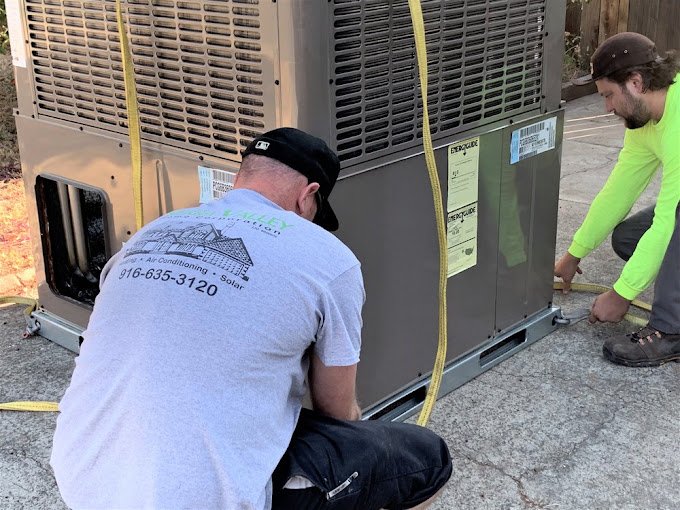
A complete installation involves more than removing the old equipment and connecting a new outdoor unit. The process should confirm that the system is correctly selected, installed, configured, and tested for the home.
- Home and system evaluation: The existing equipment, ductwork, electrical requirements, thermostat, airflow, and comfort concerns are reviewed.
- Equipment selection: Capacity, efficiency, configuration, and compatible indoor and outdoor components are chosen according to the home's needs.
- Removal of old equipment: Existing components are disconnected and removed using appropriate refrigerant, electrical, and disposal procedures.
- New equipment installation: The heat pump, indoor equipment, refrigerant lines, drainage, controls, electrical connections, and other required components are installed.
- Startup and testing: Airflow, temperature change, refrigerant performance, electrical operation, thermostat response, heating, cooling, and defrost functions are checked.
- System explanation: The homeowner is shown how to operate the thermostat, change filters, recognize normal operation, and understand basic maintenance needs.
Maintaining a New Heat Pump
Even a properly installed system requires routine maintenance to continue operating efficiently and reliably. Dust accumulation, restricted airflow, electrical wear, refrigerant issues, and drainage problems can gradually reduce performance if they are not identified during regular service.
Professional maintenance helps verify refrigerant performance, inspect electrical components, evaluate airflow, clean coils when appropriate, inspect condensate drainage, confirm thermostat operation, and identify small issues before they become larger repairs.
Routine heat pump maintenance in Citrus Heights also provides an opportunity to monitor system performance through changing Sacramento-area seasons while helping protect long-term efficiency.
Why Homeowners Choose Sierra Valley Mechanical
Sierra Valley Mechanical has served homeowners throughout Sacramento and Placer counties since 2002. As a family-owned and locally operated company, we believe homeowners should receive honest information that helps them choose the solution that best fits their home instead of feeling pressured toward unnecessary replacement.
Our technicians evaluate the complete HVAC system rather than focusing only on replacing equipment. That includes airflow, ductwork, controls, comfort concerns, and overall system performance so recommendations are based on how the home actually operates.
Homeowners choose Sierra Valley Mechanical because we offer:
- Serving the Sacramento area since 2002
- Family-owned and locally operated
- NATE-certified technicians
- York Certified Comfort Expert
- Residential and commercial HVAC experience
- Repair-first, no-pressure recommendations
- Clear explanations that help homeowners compare their options
Serving Citrus Heights and Nearby Communities
Citrus Heights experiences long, hot summers followed by cool winter weather, making dependable year-round heating and cooling important for homeowner comfort. Heat pumps can perform well in these seasonal conditions when they are correctly sized, properly installed, and maintained over time.
Sierra Valley Mechanical installs heat pumps throughout Citrus Heights and surrounding Sacramento and Placer County communities, helping homeowners compare practical solutions for replacing older heating and cooling equipment.
Schedule a Heat Pump Installation Estimate
If you're considering replacing your heating and cooling system with a heat pump, Sierra Valley Mechanical can evaluate your home's equipment, discuss your comfort goals, explain available options, and recommend solutions that make sense for your situation.
Call or text (916) 635-3120 to request your heat pump installation estimate in Citrus Heights.
Frequently Asked Questions
Can a heat pump replace both my furnace and air conditioner?
In many homes, yes. A properly designed heat pump provides both heating and cooling. The best solution depends on the home's heating requirements, electrical system, ductwork, and overall HVAC design.
How long does heat pump installation take?
The installation time depends on the home's existing equipment, ductwork, electrical requirements, and whether additional modifications are needed. Your installer can explain what to expect after evaluating the project.
Will my existing ductwork work with a new heat pump?
Many homes can continue using existing ductwork, but it should be evaluated before installation. Air leaks, sizing problems, or restricted airflow may need correction to help the new system perform properly.
Is a heat pump efficient during Citrus Heights winters?
Modern heat pumps are designed to provide efficient heating across a wide range of outdoor temperatures. Proper equipment selection and professional installation remain important factors in overall performance.
Should I repair my current system or replace it?
That depends on the age of the equipment, repair history, condition of major components, operating costs, and expected service life. A professional evaluation helps determine whether repair or replacement provides the better long-term value.
How often should a heat pump be professionally maintained?
Because a heat pump provides both heating and cooling, professional maintenance is generally recommended on a regular basis to inspect operation, verify performance, and identify developing issues before they become larger repairs.