Furnace Repair in Carmichael, CA
A furnace that will not start, blows cool air, cycles repeatedly, produces weak airflow, or makes unfamiliar noises needs an accurate diagnosis. Similar symptoms can result from thermostat problems, restricted airflow, ignition failures, electrical faults, damaged motors, control problems, or safety devices shutting the equipment down.
Sierra Valley Mechanical provides furnace repair in Carmichael, CA for residential and commercial heating systems. Our technicians evaluate the equipment and relevant supporting components before explaining the condition and available repair options.
Sierra Valley Mechanical is a family business based in Rancho Cordova and serving the Sacramento area since 2002. Our team includes NATE-certified technicians, is a YORK Certified Comfort Expert, and operates under California contractor license #826606. Property owners looking for additional heating, cooling, installation, and maintenance options can explore our complete heating and air conditioning services in Carmichael.
Signs Your Furnace May Need Repair
A furnace does not always stop operating completely when a problem develops. It may continue running while heating performance, airflow, safety, or reliability gradually declines.
Schedule furnace service when you notice:
- The furnace does not start
- The system starts but shuts down shortly afterward
- The furnace cycles on and off repeatedly
- Air from the vents is cool or only slightly warm
- Airflow is weak in one or more rooms
- The thermostat setting is not being reached
- The blower runs continuously
- The furnace makes banging, rattling, buzzing, scraping, or squealing sounds
- A recurring ignition or burner problem develops
- The furnace displays a diagnostic or fault code
- The HVAC breaker trips repeatedly
- Heating costs increase without a clear change in usage
- Rooms heat unevenly
- Unusual odors appear during operation
Turn the furnace off if you notice smoke, sparking, an electrical odor, severe mechanical noise, or signs of overheating. Do not continue resetting a breaker or restarting equipment that repeatedly shuts itself down.
Common Furnace Problems We Diagnose
Ignition and Flame-Sensing Problems
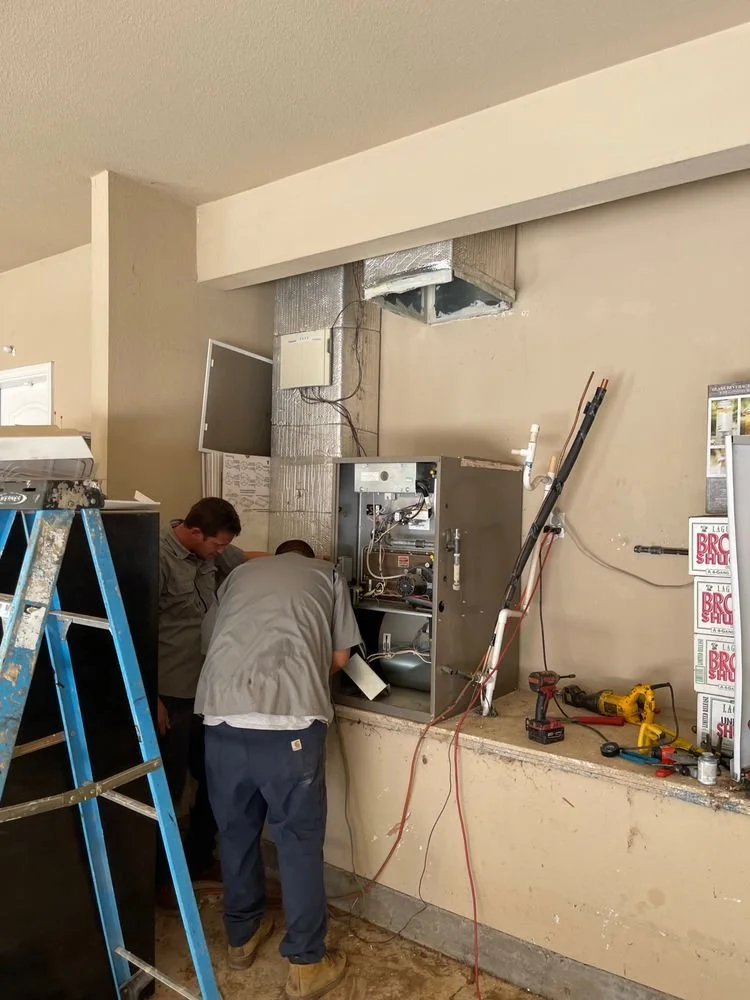
Modern gas furnaces may use electronic ignition components and flame sensors to start and monitor burner operation. A damaged igniter, contaminated flame sensor, gas-valve problem, control fault, or another failed startup condition can prevent the burners from operating normally.
The ignition system should be evaluated with the furnace’s complete operating sequence. Replacing a component without determining why startup failed can overlook airflow, venting, electrical, gas-pressure, or control concerns.
What Should You Do If You Smell Gas?
A possible gas leak should not be treated as a routine furnace repair. If you smell gas or suspect a leak, avoid flames, electrical switches, appliances, phones, and anything else that could create a spark inside the building.
Leave the property, move to a safe location, and contact the gas utility or emergency services. Do not return until the property has been declared safe.
If a carbon monoxide alarm activates, move everyone to fresh air and follow the alarm manufacturer’s safety instructions. Contact emergency services when anyone experiences symptoms or when the alarm indicates a dangerous condition. Furnace troubleshooting should wait until the immediate safety concern has been addressed.
Why Is My Furnace Not Producing Heat?
A no-heat condition does not identify one failed component. The cause may involve the thermostat, electrical supply, gas supply, ignition system, airflow, controls, blower, burners, venting, or a safety device responding to another problem.
Possible causes include:
- An incorrect thermostat mode or temperature setting
- Dead thermostat batteries
- A restricted air filter
- A tripped breaker or electrical interruption
- A failed igniter or ignition component
- A dirty or damaged flame sensor
- A gas-valve or fuel-supply problem
- A pressure-switch or venting problem
- A blower motor or capacitor failure
- A limit switch opening because of excessive temperature
- A control-board, relay, wiring, or communication fault
- A blocked intake or exhaust on compatible equipment
Replacing a visible failed component may not resolve the complete problem if another condition contributed to the failure. For example, a furnace that overheats may shut down because of restricted airflow, a blower problem, closed registers, duct restrictions, or an unsuitable filter arrangement.
What Can You Check Before Scheduling Furnace Repair?
Property owners can perform a few basic checks without opening the furnace cabinet or handling fuel, electrical, venting, or combustion components.
You can safely:
- Confirm the thermostat is set to heating mode
- Set the desired temperature above the current indoor temperature
- Replace thermostat batteries when applicable
- Check whether the thermostat display is working
- Inspect the air filter and replace it if it is heavily restricted
- Make sure accessible supply registers and return grilles are open
- Check the furnace service switch if its purpose is clearly identified
- Check the HVAC breaker once
- Note any diagnostic code displayed by the furnace
- Listen for the point in the startup sequence where operation stops
Do not repeatedly reset a breaker, bypass a safety switch, light burners manually, adjust the gas valve, open sealed combustion areas, or attempt electrical repairs. These procedures should be handled by a qualified heating technician.
Restricted Airflow and Overheating
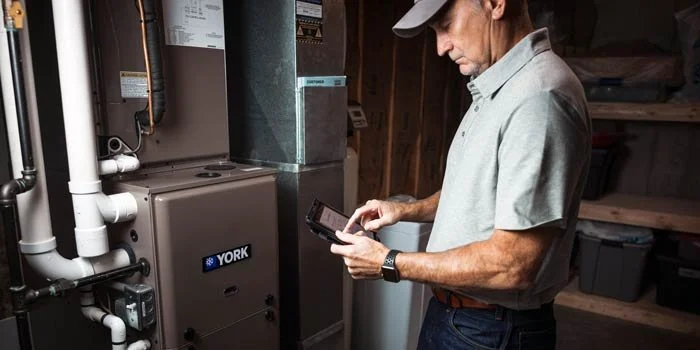
Restricted filters, blocked returns, closed registers, dirty blower components, duct restrictions, or a failing motor can reduce airflow through the furnace. When heat cannot move away from the heat exchanger correctly, a safety limit may interrupt burner operation.
The result may be short heating cycles, a blower that continues running, rooms that remain cold, or a furnace that repeatedly shuts down. Restoring dependable operation may require correcting the airflow condition rather than replacing the safety control that responded to it.
Blower Motor Problems
The blower moves heated air through the duct system. Motor wear, capacitor failure, electrical trouble, control problems, dirty blower components, or excess airflow resistance can interfere with its operation.
Blower problems may cause weak airflow, unusual sounds, overheating, continuous fan operation, or a furnace that produces heat but cannot distribute it through the property.
Thermostat and Control Problems
A thermostat must call for heat and communicate correctly with the furnace. Incorrect settings, damaged wiring, low batteries, control-board faults, zoning problems, or communication errors can prevent normal operation.
Testing helps determine whether the thermostat is the source of the problem or whether it is responding to a fault elsewhere in the heating system.
How Sierra Valley Mechanical Diagnoses a Furnace Problem
The diagnostic process depends on the equipment and reported symptoms. A technician may evaluate the thermostat, electrical supply, startup sequence, ignition system, burners, flame sensing, blower operation, safety controls, temperature change, venting, airflow, and diagnostic history.
The goal is to identify the operating cause before recommending repair work. If another system condition contributed to the failure, that concern should also be explained so the property owner can make an informed decision.
After testing, Sierra Valley Mechanical reviews the findings and available repair options. No repair should begin until the proposed work has been explained and approved.
Furnace Repairs Sierra Valley Mechanical Can Perform
The appropriate repair depends on the furnace type, failed component, equipment condition, and diagnostic findings. Sierra Valley Mechanical services gas and electric furnaces and works on all major HVAC brands.
Depending on the diagnosis, furnace repair may include:
- Igniter and ignition-system repairs
- Flame-sensor cleaning or replacement
- Thermostat and control repairs
- Blower motor, capacitor, and relay repairs
- Control-board replacement
- Limit-switch and safety-control repairs
- Electrical connection and wiring corrections
- Burner cleaning and operating corrections
- Pressure-switch and inducer-motor repairs
- Airflow and filter corrections
- Diagnostic-code troubleshooting
- Repairs involving compatible zoning and control systems
A safety device should not be bypassed simply because it prevents the furnace from operating. Limit switches, pressure switches, rollout switches, flame sensors, and other controls are intended to respond to specific operating conditions. The reason a safety device activated should be identified before normal operation is restored.
Should You Repair or Replace Your Furnace?
A furnace problem does not automatically require replacement. Repair may remain practical when the failure is isolated, parts are available, and the remaining equipment is in reasonable condition.
Replacement deserves comparison when:
- A major component has failed
- The furnace requires frequent or increasingly expensive repairs
- Parts are difficult to obtain
- The equipment has significant safety or structural concerns
- Heating performance continues to decline after appropriate repairs
- The furnace no longer works properly with the existing airflow or control system
- Rooms remain uncomfortable because the equipment does not match the property’s heating needs
- The property owner wants to compare efficiency, comfort, and long-term ownership costs
Equipment age can be relevant, but it should not be the only factor. The current failure, repair cost, heat-exchanger condition, service history, parts availability, airflow, comfort performance, and expected future use of the property should all be considered.
If replacement becomes the more practical option, Sierra Valley Mechanical can help you compare new heating equipment and plan the project through our furnace installation service in Carmichael. We evaluate equipment capacity, airflow, ductwork, venting, controls, efficiency, and installation requirements.
Heating Considerations for Carmichael Properties
Carmichael includes established homes, remodeled properties, multifamily buildings, offices, retail spaces, and other commercial facilities with different heating configurations. Properties near Carmichael Park, Ancil Hoffman Park, the American River, and the Fair Oaks Boulevard corridor can vary in age, insulation, duct design, equipment location, and electrical capacity.
Older homes may have furnaces, ducts, vents, controls, or electrical components that have been modified over time. Remodeling, room additions, window replacements, insulation changes, and converted spaces can also change how heat moves through the building.
A room that remains colder than the rest of the property does not necessarily mean the furnace itself has failed. Uneven temperatures may result from:
- Damaged or disconnected ducts
- Duct leakage
- Restricted supply airflow
- Inadequate return-air pathways
- Closed or incorrectly positioned dampers
- Insulation or air-leakage problems
- Window exposure
- Zoning or balancing issues
- Equipment capacity
Replacing a furnace without identifying an airflow, duct, zoning, or building-envelope problem may leave the original comfort complaint unresolved.
Residential and Commercial Furnace Repair
Sierra Valley Mechanical provides furnace repair for homes and businesses in Carmichael. Residential customers may be concerned with bedroom temperatures, system noise, indoor airflow, operating costs, or dependable heating during cooler weather.
Commercial properties may need to consider operating schedules, customer areas, employee workspaces, multiple zones, equipment access, and the effect of heating interruptions on daily operations.
The repair recommendation should reflect the equipment and how the property is used. Sierra Valley Mechanical evaluates the heating system in context and explains the available options so owners and managers can plan the work appropriately.
Can Furnace Maintenance Prevent Future Repairs?
Maintenance cannot prevent every motor, igniter, sensor, control-board, electrical, or mechanical failure. It can provide an opportunity to identify restricted airflow, dirty components, electrical wear, drainage concerns on applicable equipment, operating changes, and other developing conditions.
Maintenance is intended for operating equipment. If the furnace currently will not start, repeatedly shuts down, trips a breaker, produces unusual odors, or cannot heat the property, diagnostic repair is the appropriate service.
After the active problem has been corrected, property owners can review Sierra Valley Mechanical’s HVAC maintenance and Comfort Plan options. Plan details, prices, and included benefits should be confirmed directly before enrollment.
What Affects the Cost of Furnace Repair?
Furnace repair prices vary because the same symptom can have several possible causes. A furnace that will not start, for example, may have a thermostat problem, electrical interruption, ignition failure, damaged motor, control fault, fuel-supply problem, venting concern, or safety device responding to another condition.
Repair cost may be affected by:
- The failed component and required repair
- The amount of diagnostic work involved
- Furnace type, brand, age, and configuration
- Equipment accessibility
- Parts availability
- Whether another condition contributed to the failure
- Additional airflow, electrical, control, or venting work
- The needs of a residential or commercial system
An accurate estimate requires identifying the cause and defining the repair. Sierra Valley Mechanical explains the findings and proposed work before an approved repair begins.
Why Choose Sierra Valley Mechanical?
Sierra Valley Mechanical is a locally owned and operated family business based in Rancho Cordova. The company has served Carmichael and the greater Sacramento area since 2002 and provides residential and commercial HVAC service.
Property owners choose Sierra Valley Mechanical for:
- Service in the Sacramento area since 2002
- California contractor license #826606
- NATE-certified technicians
- YORK Certified Comfort Expert status
- Residential and commercial heating experience
- Service for all major furnace brands
- Repair-first, no-pressure recommendations
- Clear explanations of diagnostic findings
- Repair and replacement options based on equipment condition
- Technicians who do not work on commission
Schedule Furnace Repair in Carmichael, CA
If your furnace will not start, produces insufficient heat, cycles repeatedly, makes unusual noises, or cannot maintain the thermostat setting, Sierra Valley Mechanical can diagnose the problem and explain the available repair options.
Call or text (916) 635-3120 or email service@sierravalleymechanical.com to request furnace repair in Carmichael, CA. Business hours are Monday through Friday, 8:00 a.m. to 5:00 p.m.
Frequently Asked Questions About Furnace Repair in Carmichael
Why is my furnace running but not producing heat?
The cause may involve the thermostat, ignition system, flame sensor, gas supply, electric heating components, airflow, blower, controls, or a safety device. Diagnostic testing is needed to determine where the heating sequence stops.
Why does my furnace start and stop repeatedly?
Short heating cycles can result from restricted airflow, overheating, thermostat problems, flame-sensing trouble, incorrect equipment capacity, control faults, or another condition interrupting operation. The cause should be identified before a safety device or control is replaced.
What can I safely check before calling for furnace repair?
Confirm the thermostat is set to heating mode, replace thermostat batteries when applicable, inspect the filter, make sure registers are open, and check the HVAC breaker once. Do not bypass safety controls, light burners manually, adjust gas components, or repeatedly reset a breaker.
Why is my furnace making unusual noises?
Rattling, banging, buzzing, squealing, or scraping may involve loose panels, blower components, motors, electrical parts, ductwork, ignition, burners, or normal expansion. A new or severe sound should be evaluated before continued operation causes additional damage.
Why is the furnace blower running continuously?
The thermostat fan setting may be set to “on,” or the furnace may have a thermostat, control-board, relay, limit-switch, airflow, or overheating problem. Testing is needed when changing the fan setting does not restore normal operation.
What affects the cost of furnace repair?
Cost depends on the failed component, diagnostic work, furnace type, accessibility, parts availability, and whether another condition contributed to the failure. An accurate estimate requires identifying the cause and defining the repair.
When should I compare furnace repair with replacement?
Compare both options when a major component fails, repairs are becoming frequent, parts are difficult to obtain, safety concerns exist, or the furnace no longer heats the property reliably. Repair may remain practical when the failure is isolated and the remaining equipment is in reasonable condition.
Does Sierra Valley Mechanical repair all furnace brands?
Yes. Sierra Valley Mechanical services and repairs all major furnace brands and works with residential and commercial heating systems.
Can furnace maintenance prevent every breakdown?
No. Maintenance cannot prevent every component failure. It can identify restricted airflow, dirt, electrical wear, operating changes, and other developing concerns that might otherwise remain unnoticed.
Don’t let a broken furnace leave you in the cold. Call Sierra Valley Mechanical today for quality furnace repair in Carmichael, CA!